
News & Academies' activities
“AI in European Healthcare” Report Launched

 Report
 Video: Report launch event in Brussels, 30 September 2026
EASAC and the Federation of European Academies of Medicine (FEAM), with their respective member academies, have been working together since 2024 to explore how AI-powered health products and services can be effectively evaluated and safely integrated into European healthcare. As a result of this collaboration, we are pleased to present our joint report, “AI in European Healthcare: Policy Recommendations for Optimising Added Value and Safe, Ethical, and Inclusive Adoption.”
The report seeks to inform the implementation of the EU AI Act and the European Health Data Space, relevant pending legislative files and the upcoming EU initiative on AI in Healthcare. It has been written by a working group of 22 scientists from across Europe, nominated by EASAC and FEAM member academies.
AI is developing faster than the regulations governing it
The rapid development of AI can overwhelm societies and regulatory bodies. Warnings from leading AI researchers about a potential loss of control highlight just how difficult it is to anticipate and control risks. In the healthcare sector, the stakes are particularly high.
“AI is entering clinical and administrative practice faster than many health systems can independently evaluate, govern and monitor. It’s up to policymakers to ensure the regulatory preconditions for patient-centred, effective, safe, fair and transparent AI approaches,” says Prof. André Knottnerus, EASAC co-chair of the working group.
Benefits – but also risks and side effects
AI systems are already being used in many areas of healthcare, and have the potential of significant added value, mainly in clinical care and public health. However, without clear rules, there is a risk of data breaches, algorithmic bias and a loss of human control.
The EU AI Act and European Health Data Space provide an important foundation, but the scientists identify gaps in their practical application to healthcare. EASAC and FEAM are therefore calling for AI to be treated like any other measure in healthcare: its benefits must be proven, its risks understood and its performance continuously monitored.
“We need clear specifications for demonstrating real clinical benefit across different populations and settings and for ensuring that representative, high-quality data are used,” says Prof. Luis Martí-Bonmatí, FEAM co-chair of the working group. “Patients also need meaningful explanations and routes for recourse, liability must be clear, and healthcare systems must avoid becoming dependent on individual technology providers.”
A call to policymakers
- Proactive regulation is essential: The EU AI Act classifies the health sector as high-risk. The use of AI thus requires regulations that take long-term consequences into account. Provisions of the AI Act need to be integrated with existing regulatory frameworks, such as the Medical Devices Regulation, the GDPR and the European Health Data Space.
- Prioritising equity and trust: The use of AI can exacerbate existing inequalities, including those related to gender, ethnicity and socio-economic status, as well as disparities between rich and poor countries, and can undermine public trust. The report calls for EU policies that prioritise equitable access, transparency – including the environmental footprint of AI – and public engagement. Only then can AI meet the goals of universal healthcare and be aligned with democratic values.
- EU-wide coordination is a must: Fragmented regulation hinders the safety and scalability of AI. The EU must harmonise standards, facilitate cross-border exchange of anonymised data and promote joint oversight to ensure ethical and robust AI applications across all Member States.
The authors also recommend testing AI in regulatory sandboxes under controlled conditions before it is deployed more widely. Furthermore, investment should be channelled into research on approaches that deliver reliable results using smaller, carefully selected datasets.
Ten recommendations for policy action
Establish robust evaluation of AI’s added value in healthcare. Mandate transparent evaluation of AI’s net benefit – clinical outcomes, patient safety, security, equity, quality of life and cost-effectiveness – before and after deployment.
- Develop comprehensive guidelines for responsible AI deployment. Develop EU-wide guidelines covering methodological quality, bias, external validity, cost-effectiveness, and environmental impacts.
- Broaden ethical principles to encompass societal and long-term dimensions.Update ethical frameworks to address societal effects, institutional responsibilities, global impacts, and long-term (including intergenerational) consequences.
- Address implementation-related challenges in AI deployment.Invest in interoperable infrastructure, harmonise rules across Member States, train staff, and support workflow integration with a focus on usability and patient safety.
- Advance AI towards a learning health system.Support secure data platforms, feedback loops, and adaptive improvement with governance that ensures transparency, accountability, and trust.
- Foster interoperability and data sharing ecosystems.Incentivise cross-border data ecosystems using common standards, strong privacy safeguards, and clear data stewardship.
- Invest in training, education, and information for AI in healthcare.Fund interdisciplinary training and continuous professional development for clinicians, developers, and decision-makers to build competence and responsible use.
- Engage stakeholders and protect public trust.Require participatory design, clear communication, and notification when AI systems are used, and accessible recourse so systems reflect societal values and maintain patient and public trust.
- Define strategic research priorities for AI in healthcare. Prioritise research on transparency, bias mitigation, clinical validation, integration in practice, equity, and long-term system effects.
- Strengthen governance and oversight structures. Establish clear accountability, independent monitoring, auditing, and corrective mechanisms to ensure compliance and safe performance over time.
DOI: https://doi.org/10.1553/EASAC-FEAM_Report_AI-in-Healthcare_2026
Report launch event
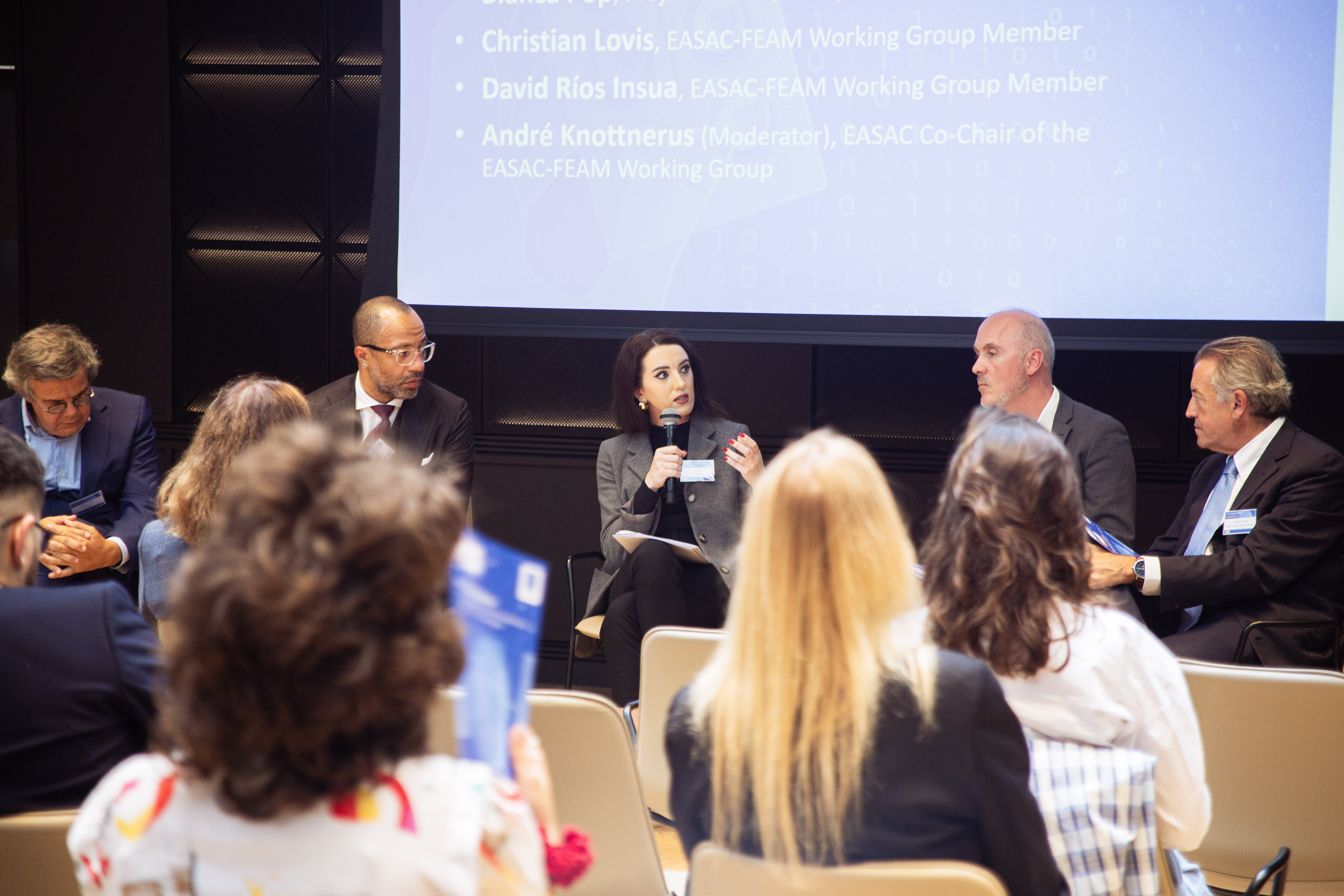
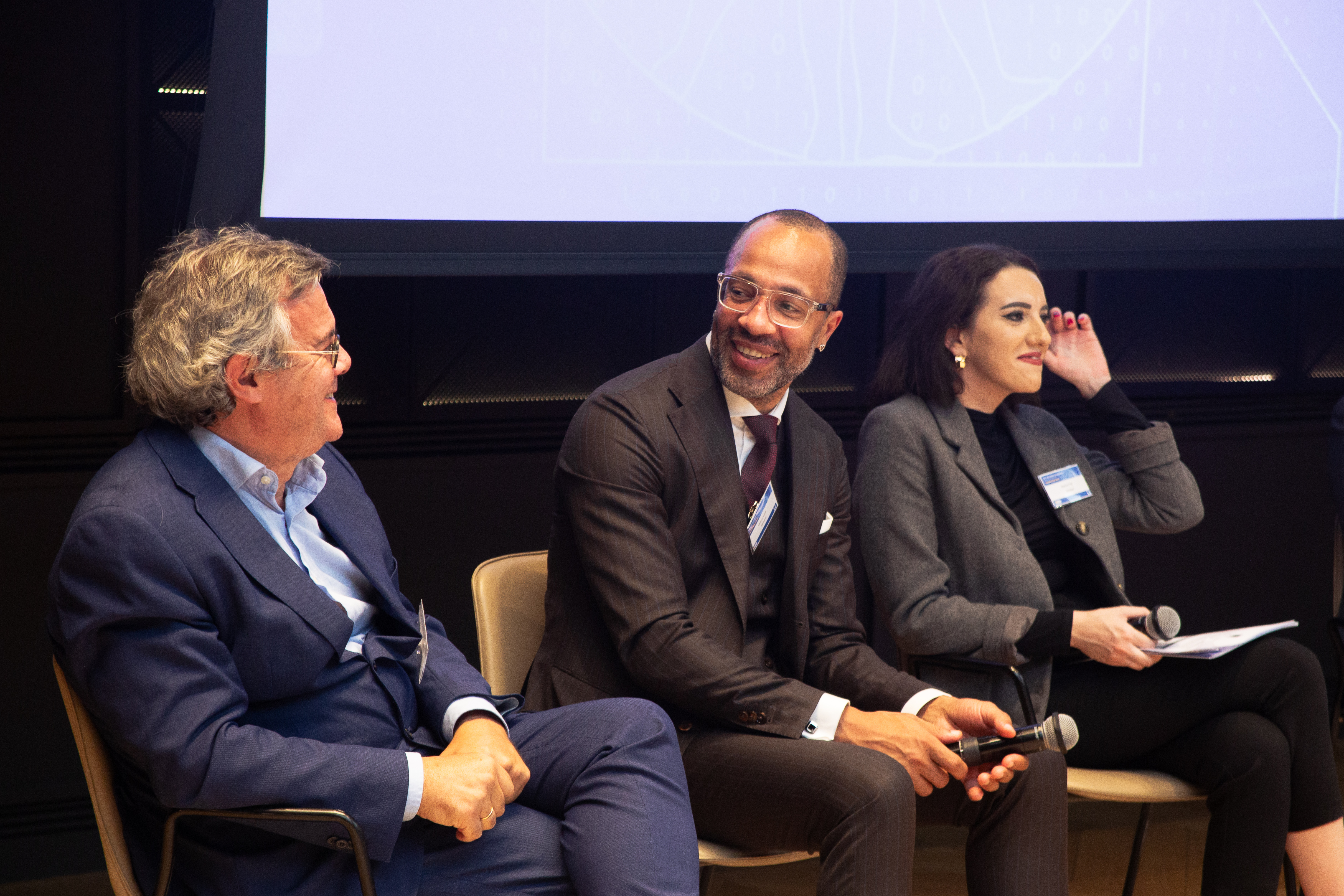
The report was launched in Brussels (Av. des Arts, 56), on Wednesday, 30 September 2026. The event featured two panel discussions with EU policymakers, regulators, healthcare professionals and patient representatives on what it takes to bring AI into medicine safely and effectively.
Programme & Speakers
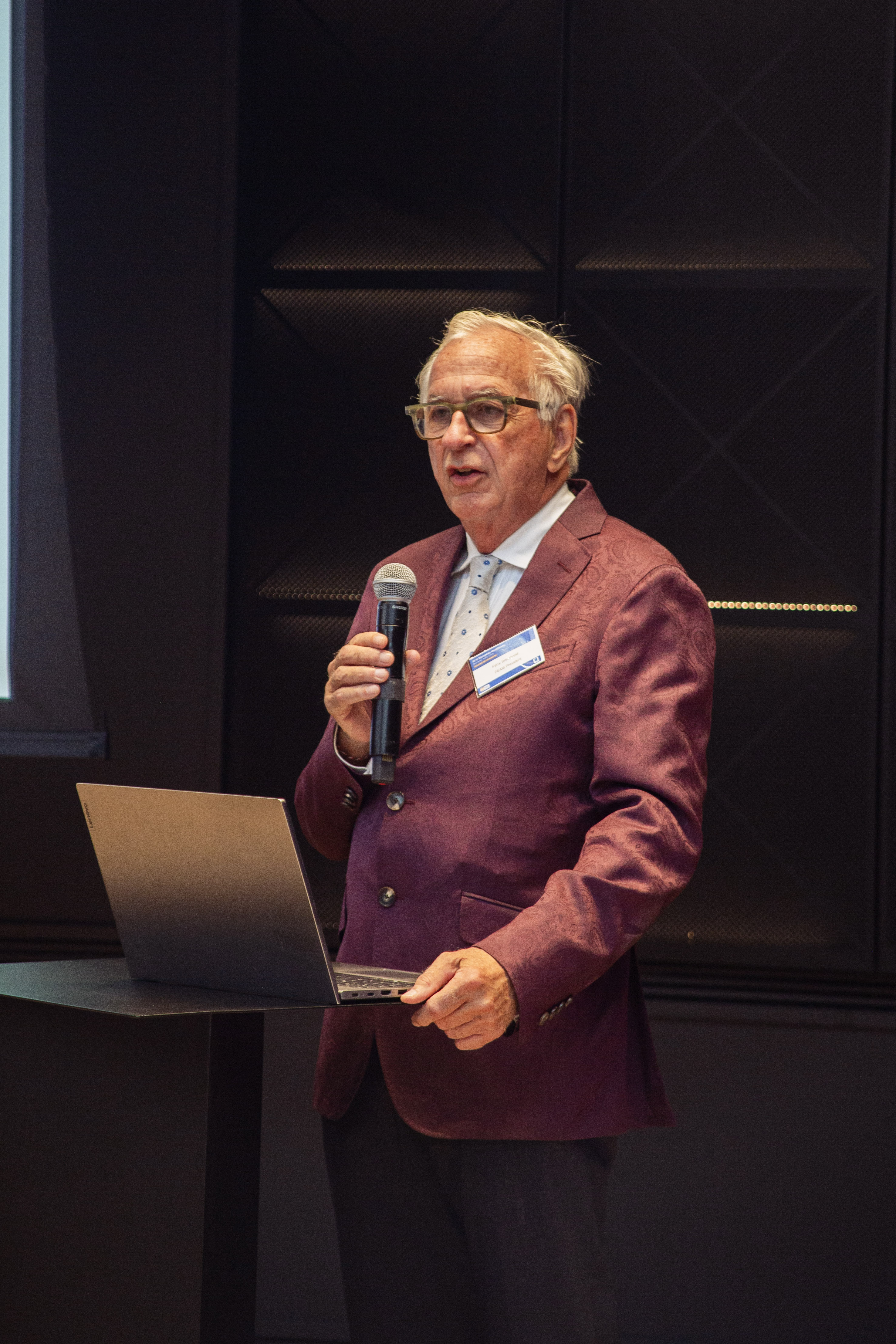
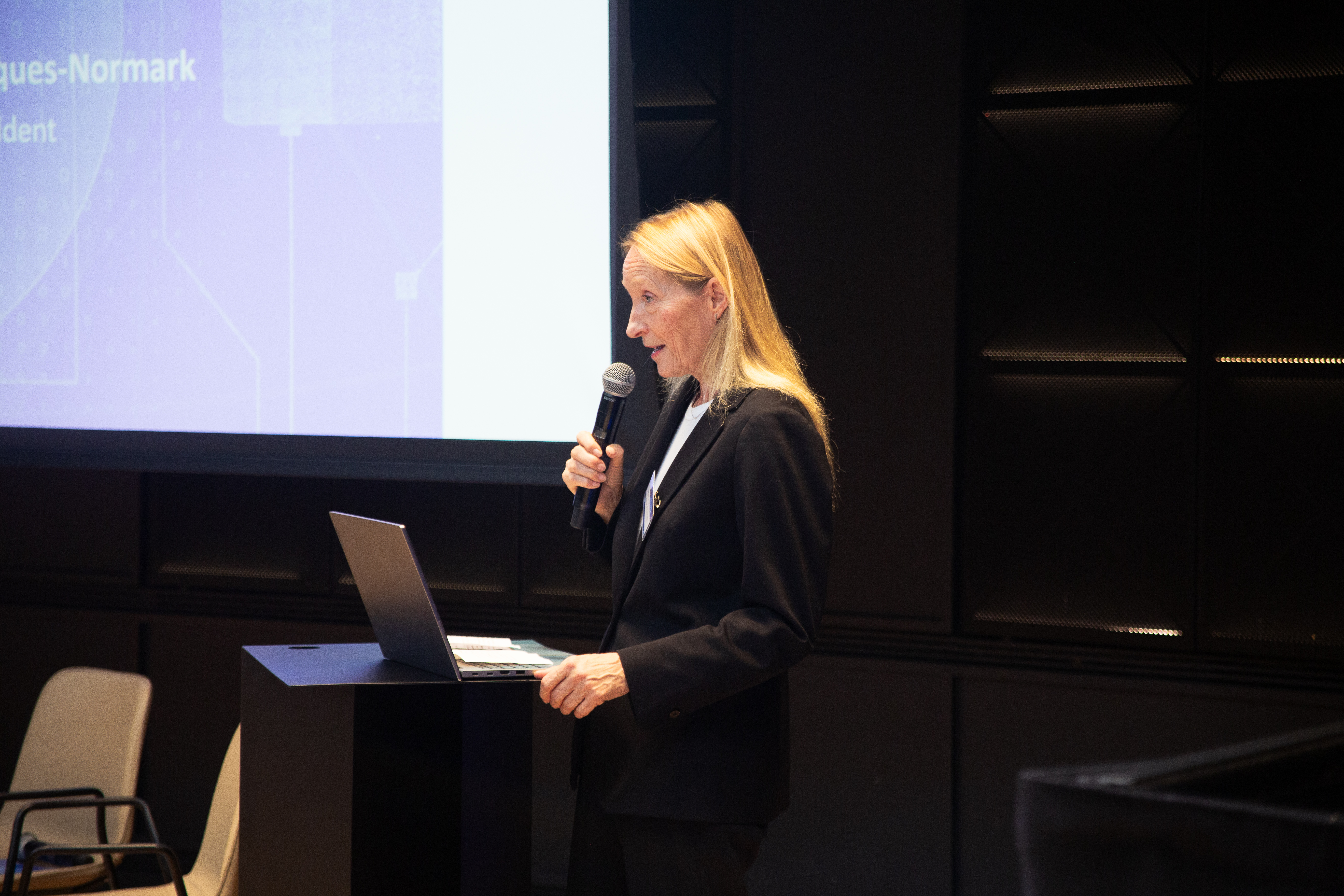
13:00 Welcome by Ferry Breedveld (FEAM President) and Birgitta Henriques-Normark (EASAC Vice-President).
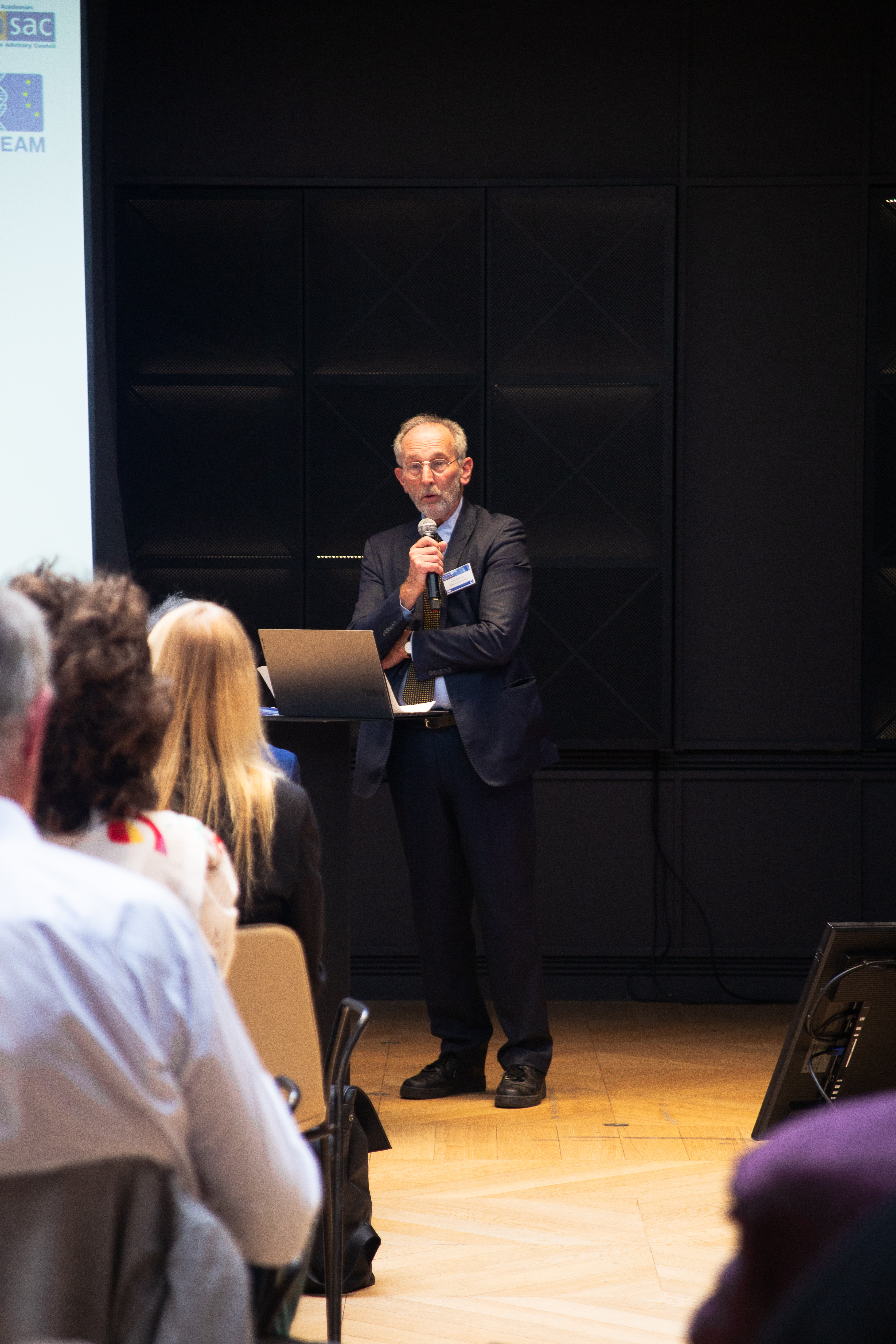
13:05 Introductory words by André Knottnerus (EASAC Co-Chair) & Luis Martí-Bonmatí (FEAM Co-Chair), Moderators.
13:10 Key findings of the report by Louise Abboud (FEAM Executive Director) & Tom Cole-Hunter (EASAC Biosciences and Public Health Programme Director).
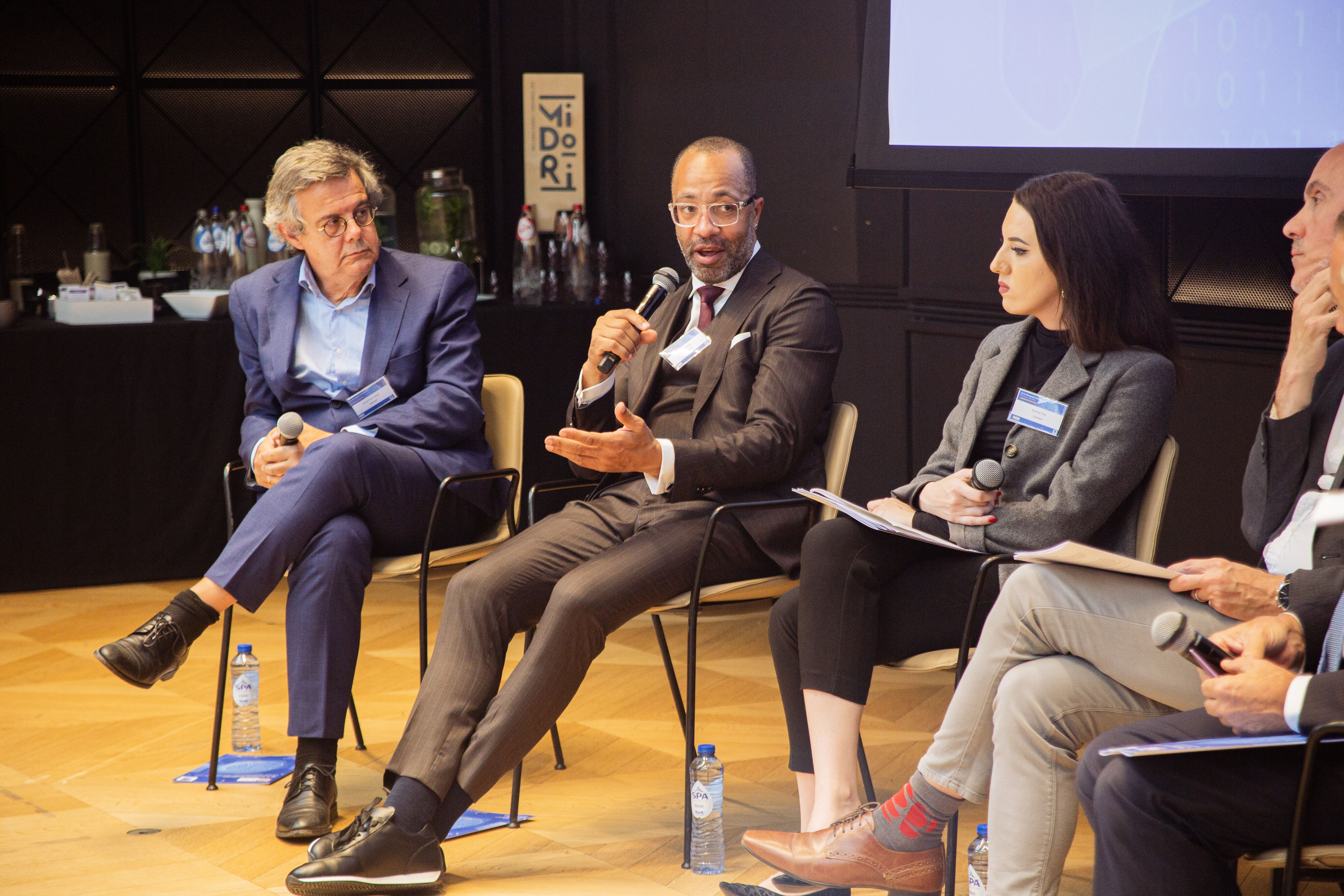
13:20 Panel I: Regulation, validation and accountability
How Europe ensures AI in healthcare delivers added-value and is safe before it reaches patients, and who is accountable when it isn’t.
- Anca Scortariu, Deputy Head of Unit for AI in Health and Life Sciences, EU AI Office at DG CNECT, European Commission.
- Andreia M. Oliveira, Policy Officer for AI in Healthcare at DG SANTE, European Commission.
- Miikka Korja, Working Group Member, EASAC-FEAM report “AI in European Healthcare.”
- Eva Fialová, Working Group Member, EASAC-FEAM report “AI in European Healthcare.”
- Luis Martí-Bonmatí (Moderator), FEAM Co-Chair of the Working Group, EASAC-FEAM report “AI in European Healthcare.”
14:00 Panel II: Implementation, trust and equity
What it takes to deploy AI safely in a hospital and what it takes for patients to trust it once it’s there.
- Sascha Marschang, Senior Advisor at the European Hospital and Healthcare Federation (HOPE).
- Bianca Pop, Project Officer at the European Patients’ Forum (EPF).
- Christian Lovis, Working Group Member, EASAC-FEAM report “AI in European Healthcare.”
- David Ríos Insua, Working Group Member, EASAC-FEAM report “AI in European Healthcare.”
- André Knottnerus (Moderator), EASAC Co-Chair of the Working Group, EASAC-FEAM report “AI in European Healthcare.”
14:40 Closing remarks by André Knottnerus (EASAC) & Luis Martí-Bonmatí (FEAM).




Further News & Academies' activities
All News


Member Academies