News & Academies' activities
EASAC enters 2026 with new leadership
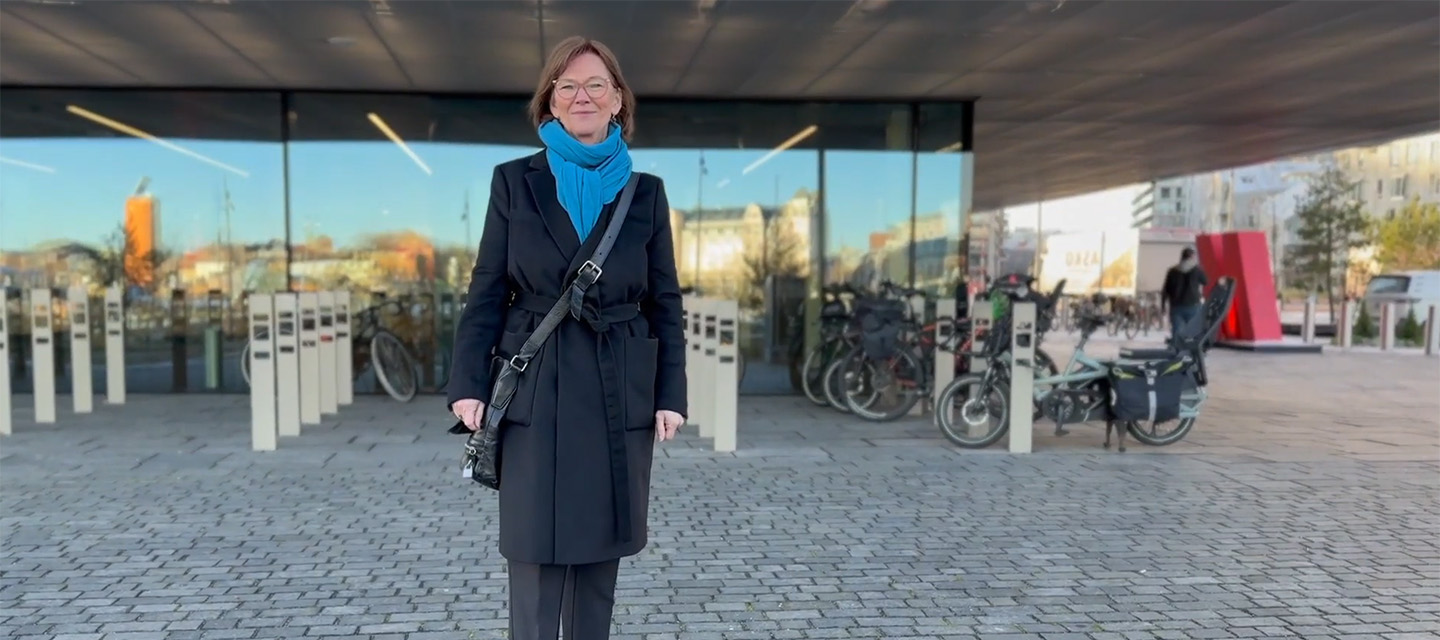
 Interview with EASAC President Lise Øvreås
EASAC is entering the new year with a change in its leadership, as Prof. Lise Øvreås, former EASAC Vice-President, takes office as new EASAC President for the term 2026–2028. A professor of Geomicrobiology at the University of Bergen, Norway, Lise Øvreås brings extensive scientific and leadership experience to the role, having previously served as President of the Norwegian Academy of Science and Letters from 2022 to 2024.
On taking up her new position, Prof. Øvreås emphasised in an interview the importance of science advice in times of global uncertainty:
“Science must help society to navigate complex global challenges, such as climate change, biodiversity loss and sustainable energy - by providing actionable solutions based on evidence.”
Prof. Øvreås’ research focuses on microbial diversity and ecology along environmental gradients, with particular attention to the impacts of climate change on microbial communities. Her work includes long-term studies of warming effects in permafrost soils and glacier ecosystems, and she has been actively involved in Arctic fieldwork and international research projects for more than 25 years.
Hanna-Leena Pesonen joins Board as Vice-President
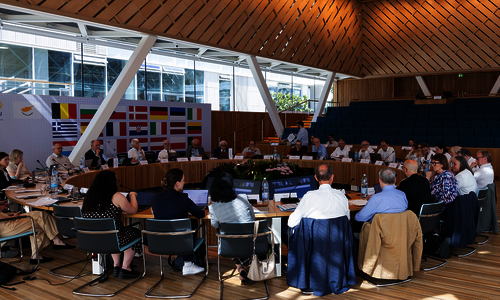
As President, Prof. Øvreås will chair the Council, EASAC’s supreme strategic and decision-making body composed of 29 highly experienced scientists - one representative from each member academy. She will also chair the EASAC Board, the organisation’s supreme executive body, and will be joined by four Vice-Presidents: energy system researcher Brian Norton (Ireland) and physician and microbiology researcher Birgitta Henriques-Normark (Sweden), who continue in their roles; geophysicist Mirko Orlić (Croatia), who has been re-elected for another term by EASAC’s member academies; and Hanna-Leena Pesonen, nominated by the Council of Finnish Academies, newly elected Vice-President.
Prof. Hanna-Leena Pesonen, who previously served as co-chair of the EASAC Energy Programme, is Professor in Corporate Environmental Management. Her expertise in sustainability transition of business will further strengthen EASAC’s capacity to address complex sustainability challenges at the European policy level.
Further News & Academies' activities
All News
Member Academies